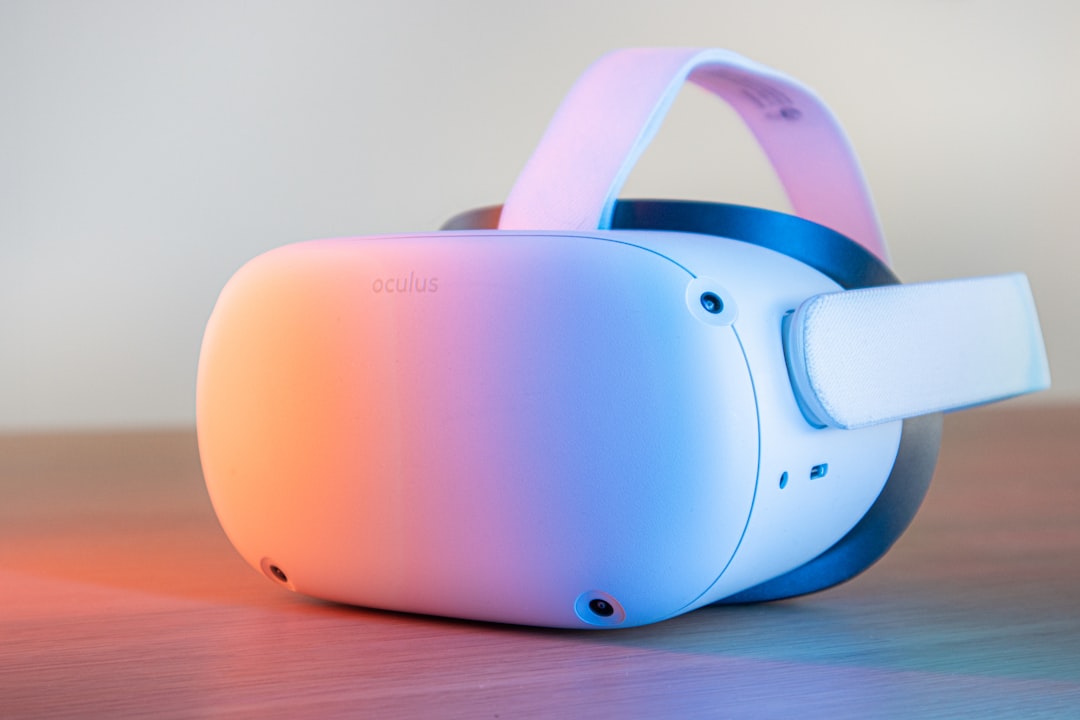
Choosing the right VR headset can feel overwhelming with so many excellent options on the market in 2025. Whether you're a first-time buyer or looking to upgrade your existing setup, this comprehensive guide will help you make an informed decision based on your needs, budget, and intended use.
What to Consider When Buying a VR Headset
Before diving into our top picks, let's discuss the key factors you should consider when choosing a VR headset:
🔍 Key Considerations:
- Resolution: Higher resolution means clearer images and reduced screen-door effect
- Field of View: Wider FOV creates more immersive experiences
- Refresh Rate: Higher rates (90Hz+) reduce motion sickness and improve immersion
- Tracking System: Inside-out tracking is more convenient, outside-in offers precision
- Content Library: Ensure the headset has access to games and apps you want
- Comfort: Weight distribution and adjustability affect long-session comfort
- Price: Balance features with your budget
1. Meta Quest 3 Pro
The Meta Quest 3 Pro stands as the current flagship in standalone VR headsets. With its pancake lenses, improved passthrough capabilities, and powerful processor, it offers a premium experience without requiring a PC.
Key Features:
- 2064 x 2208 pixels per eye resolution
- 120Hz refresh rate with experimental 144Hz mode
- Advanced mixed reality capabilities
- Extensive content library with thousands of apps
- Wireless PC VR streaming support
Best For: Users seeking a premium standalone experience with the option for PC VR streaming. Ideal for both gaming and productivity applications.
2. PlayStation VR 3
Sony's latest iteration of PlayStation VR represents a massive leap forward from its predecessor. With cutting-edge optics, haptic feedback, and exclusive PlayStation titles, it's a must-have for console gamers.
Key Features:
- 2000 x 2040 pixels per eye OLED displays
- 120Hz refresh rate
- Eye-tracking for foveated rendering
- Exclusive PlayStation VR games library
- Seamless PlayStation 5 integration
Best For: PlayStation 5 owners looking for exclusive titles and seamless console integration.
3. Valve Index 2
The Valve Index 2 represents the pinnacle of PC VR technology. With its lighthouse tracking system, exceptional controllers, and modular design, it offers the most precise and immersive experience available.
Key Features:
- 2560 x 2560 pixels per eye resolution
- 144Hz refresh rate with experimental 180Hz mode
- SteamVR lighthouse 3.0 tracking
- Revolutionary Knuckles 2.0 controllers
- Superior audio with off-ear speakers
Best For: Hardcore PC VR enthusiasts and sim racers who demand the absolute best tracking and fidelity.
4. HTC Vive XR Elite Plus
HTC continues to innovate with the Vive XR Elite Plus, offering a premium standalone and PC VR experience with enterprise-grade features that also appeal to consumers.
Key Features:
- 2448 x 2448 pixels per eye resolution
- 120Hz refresh rate
- Convertible design for compact storage
- Standalone and PC VR modes
- Advanced passthrough for mixed reality
Best For: Professionals and enthusiasts who need versatility between standalone and PC VR with excellent mixed reality capabilities.
5. Apple Vision Pro 2
Apple's second-generation spatial computer builds on the impressive foundation of the original, with improved performance, lower price, and expanded app ecosystem.
Key Features:
- Micro-OLED displays with 4K per eye
- Advanced eye and hand tracking
- Premium build quality and materials
- Seamless Apple ecosystem integration
- Revolutionary EyeSight display
Best For: Apple ecosystem users seeking a premium mixed reality experience focused on productivity and entertainment.
6. Pico 5 Pro
ByteDance's Pico 5 Pro offers exceptional value with competitive specs at a more affordable price point, making quality VR accessible to more users.
Key Features:
- 2160 x 2160 pixels per eye resolution
- 90Hz refresh rate
- Standalone operation with PC streaming
- Growing content library
- Excellent price-to-performance ratio
Best For: Budget-conscious buyers who don't want to compromise on core VR features.
7. Samsung Odyssey VR
Samsung's return to VR brings their expertise in displays and optics, creating a headset that excels in visual quality and comfort.
Key Features:
- 2400 x 2400 pixels per eye AMOLED displays
- 120Hz refresh rate
- Advanced cooling system
- Premium comfort design
- Standalone and PC VR support
Best For: Users prioritizing visual quality and comfort for extended VR sessions.
8. Pimax Crystal Light
Pimax continues to push boundaries with ultra-wide field of view headsets, and the Crystal Light offers their technology in a more accessible package.
Key Features:
- 2880 x 2880 pixels per eye resolution
- 140-degree horizontal field of view
- 90Hz refresh rate
- Lightweight design
- Modular faceplate system
Best For: Sim enthusiasts and users who prioritize field of view for maximum immersion.
9. Varjo Aero 2
While positioned as a professional device, the Varjo Aero 2 offers consumer-friendly pricing with enterprise-grade visual fidelity.
Key Features:
- 3264 x 3096 pixels per eye resolution
- 90Hz refresh rate
- Human-eye resolution in center vision
- Professional-grade color accuracy
- SteamVR tracking support
Best For: Content creators, architects, and professionals who need exceptional visual clarity.
10. Nreal Air 3
For those interested in augmented reality and lighter mixed reality experiences, the Nreal Air 3 offers portability and comfort in a glasses-like form factor.
Key Features:
- Lightweight glasses design
- 1920 x 1080 per eye resolution
- 6DoF tracking
- All-day battery life
- Smartphone compatibility
Best For: Users seeking portable AR experiences and extended wear comfort for productivity and media consumption.
Making Your Decision
The best VR headset for you depends on your specific needs and circumstances. Consider these factors:
💭 Decision Framework:
- Budget: Entry-level ($300-500), Mid-range ($500-800), Premium ($800+)
- Platform: Do you prefer PC, console, or standalone?
- Use Case: Gaming, productivity, fitness, or mixed use?
- Space: Do you have room for external tracking sensors?
- Portability: Do you need to take it places?
Conclusion
The VR landscape in 2025 offers something for everyone, from budget-friendly options to premium devices with cutting-edge technology. Each headset in our top 10 excels in different areas, whether it's visual fidelity, content library, comfort, or value.
For most users, we recommend starting with the Meta Quest 3 Pro or PlayStation VR 3 if you own a PS5. These offer the best balance of performance, content, and value. However, if you're serious about PC VR and want the absolute best tracking and fidelity, the Valve Index 2 remains the gold standard.
Whichever headset you choose, you're entering VR at an exciting time when the technology has matured significantly, offering experiences that were impossible just a few years ago. Happy gaming!
Sources & References
- Meta Quest Official Store - Pricing and Specifications
- PlayStation VR2 Official - Specs and Purchase Options
- Valve Index Official Store - Technical Specs and Pricing
- HTC Vive Official - Enterprise and Consumer VR Headsets
- Apple Vision Pro - Spatial Computing Platform
- TechRadar - VR Headset Reviews and Comparisons
- CNET - Best VR Headset Buying Guide 2025